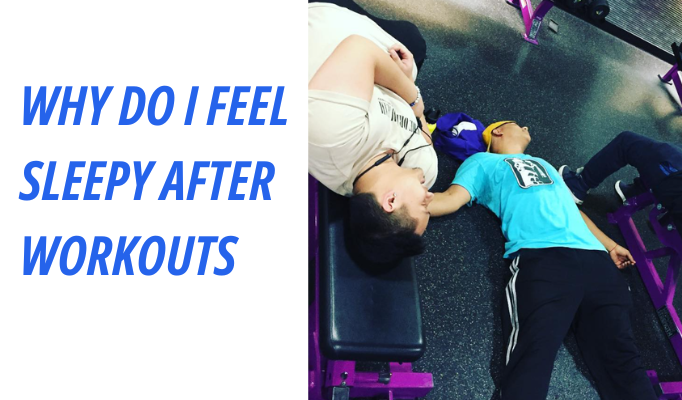
You finish a workout expecting to feel pumped, maybe even a little invincible. Instead, you’re hit with this heavy, almost drugged kind of tiredness that makes you want to crawl into bed at 3 pm.
If this sounds familiar, you’re definitely not alone, and no, it doesn’t mean you’re out of shape or doing something wrong. Post-workout sleepiness is incredibly common, and there’s actual science behind why your body reacts this way.
It’s Not Just “Being Tired”: Here’s What’s Actually Happening
When you exercise, you’re putting your body through a controlled form of stress. Your muscles tear at a microscopic level (this is normal and necessary for growth), your heart rate spikes, your core temperature rises, and your nervous system shifts into a heightened state.
Once the workout ends, your body has to bring all of that back down to baseline. That recovery process takes energy, and a lot of it.
Think of it like revving a car engine hard and then cutting the ignition. Things don’t just stop instantly. There’s a cooldown period happening internally, even if you’re standing still, sipping water, and pretending you’re fine.
The Role of Your Nervous System
Your body runs on two main modes: sympathetic (fight or flight) and parasympathetic (rest and digest). During a workout, especially an intense one, you’re firmly in sympathetic mode. Adrenaline and cortisol are doing their thing, keeping you alert and powering you through those last few reps.
But once you stop, your body swings the other way, often quite hard, into parasympathetic mode. This is your nervous system’s way of saying “okay, threat’s over, time to repair.” Heart rate drops, blood pressure drops, and along with it, your energy levels can take a nosedive too. That sudden shift is a big reason why people feel drowsy almost immediately after finishing.
Blood Sugar Dips Matter More Than You Think
Exercise burns through glycogen, which is basically your muscles’ and liver’s stored form of sugar. If you didn’t eat enough beforehand, or if your workout was particularly long or intense, your blood sugar can dip lower than usual afterward. Low blood sugar is a classic trigger for fatigue, brain fog, and that heavy-eyelid feeling.
This is especially common with fasted workouts or long cardio sessions where you’ve burned through your fuel reserves without replenishing them.
Dehydration Sneaks Up On You
Even mild dehydration, something like a 2% drop in body water, can mess with your concentration and energy levels significantly. Sweating during a workout is obvious, but a lot of people underestimate just how much fluid they lose, especially in hot weather or during longer sessions.
Dehydration thickens your blood slightly and makes your heart work harder to pump it, which can leave you feeling sluggish well after you’ve showered and changed.
Serotonin and the “Exercise Crash”
Here’s something a lot of people don’t know: exercise actually increases serotonin production in your brain. Serotonin is great for mood, but it’s also a precursor to melatonin, the hormone that makes you sleepy.
So in a weird twist, the same workout that’s boosting your mood might also be quietly nudging your brain toward sleep mode, especially a few hours later.
This is part of why a lot of people report sleeping better at night after regular exercise, but it can also explain that weird midday slump if you train earlier in the day.
Are You Overtraining?
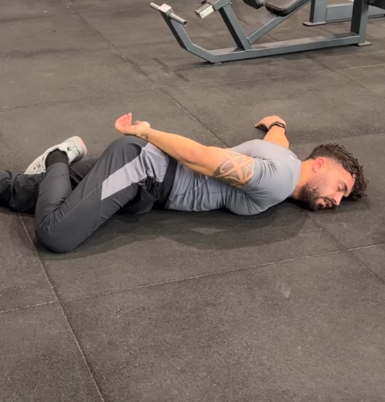
If this sleepiness happens after every single workout, regardless of intensity, and it’s paired with things like irritability, trouble sleeping at night, sore joints that don’t seem to heal, or a general “running on empty” feeling, it might be worth looking at whether you’re overtraining.
Your body needs recovery time between sessions, and if you’re not giving it that, fatigue can become chronic rather than just a short post-workout dip.
What You Can Actually Do About It
A few small adjustments tend to make a real difference for most people:
- Eat a small balanced snack with carbs and protein an hour or so before training
- Hydrate before, during, and after, not just when you feel thirsty
- Don’t skip your cooldown or stretching, it helps ease that nervous system transition
- Get enough sleep at night so your body isn’t already running on a deficit
- Pay attention to workout intensity versus how much recovery time you’re actually giving yourself
Sleepiness after a workout isn’t necessarily a red flag. Most of the time, it’s just your body doing exactly what it’s supposed to do: recovering. But if it’s extreme, constant, or paired with other symptoms, it’s worth checking in with a doctor just to rule out things like anemia, thyroid issues, or poor sleep quality that might be compounding the problem.
FAQs
Is it normal to feel sleepy immediately after a workout?
Yes, completely normal. It’s usually tied to the shift from your sympathetic to parasympathetic nervous system, along with blood sugar and hydration changes that naturally happen during exercise.
Does working out at night make sleepiness worse?
Not necessarily worse, but it can feel more noticeable simply because you’re closer to your natural bedtime anyway. For some people, evening workouts make falling asleep easier; for others, the adrenaline boost can actually delay sleep onset.
Should I eat before or after a workout to avoid the crash?
Both matter, but eating something light beforehand, ideally with some carbs, helps prevent the blood sugar dips that often cause that post-workout drowsiness. A balanced meal afterward helps replenish glycogen and supports recovery.
Can dehydration really cause that much tiredness?
Yes, even mild dehydration can significantly affect energy levels and focus. It’s one of the most common and most overlooked causes of post-exercise fatigue.
When should I be concerned about post-workout fatigue?
If it’s extreme, doesn’t improve with better sleep, hydration, and nutrition, or comes with other symptoms like dizziness, prolonged muscle soreness, or trouble sleeping at night, it’s a good idea to talk to a doctor rather than just pushing through it.

I am Liam Brooks, a fitness writer passionate about simple home workouts, beginner-friendly fitness tips, and healthy daily habits. My goal is to make fitness easier, more practical, and accessible for everyone.