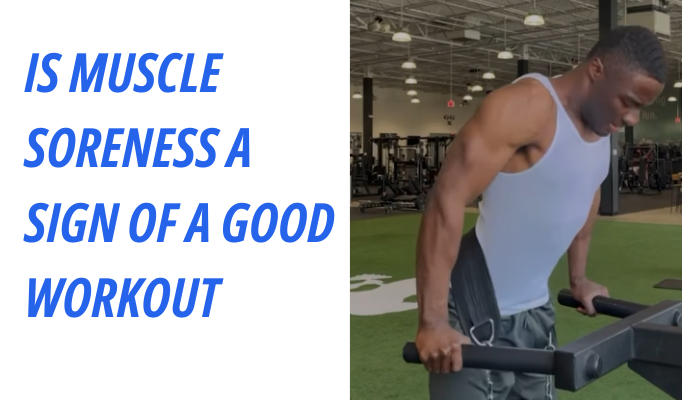
If you’ve ever rolled out of bed the day after leg day and groaned just trying to sit on the toilet, you’ve probably asked yourself this question. Sore muscles feel like proof. Proof that you worked hard, that the session actually “counted,” that you’re not wasting your time at the gym.
But is that actually true? Does soreness mean a workout was good, and does the absence of soreness mean it wasn’t?
The short answer is: not really, and the longer answer is a lot more interesting.
What’s Actually Causing the Soreness
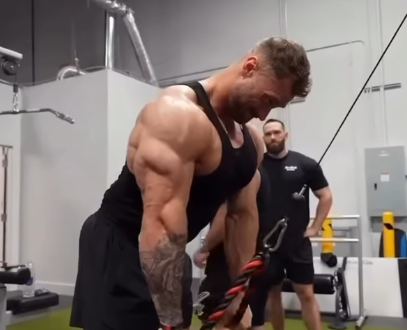
That achy, stiff feeling you get one or two days after a workout has a name: delayed onset muscle soreness, or DOMS for short. It shows up most often after you do something your body isn’t used to, like a new exercise, a heavier weight than usual, more reps than normal, or a longer eccentric (lengthening) phase on a lift like a slow squat or a controlled bicep curl.
For a long time, people blamed lactic acid buildup for this. That theory has mostly been retired. Lactic acid clears out of your muscles within an hour or so after exercise, long before the soreness even starts.
What researchers now believe is happening is microscopic damage to muscle fibers and the connective tissue around them, followed by a localized inflammatory response as your body repairs that tissue. That repair process is what makes the area feel tender, stiff, and sometimes downright painful to touch.
So Does Soreness Mean the Workout “Worked”?
Here’s where a lot of people get it wrong. Soreness tells you that your muscles experienced something new or unfamiliar. It does not tell you that you built more muscle, burned more fat, or made better progress than someone who isn’t sore.
Think about it this way. The first time you try a new workout class, or go back to squats after months away, you’ll probably be sore for days. Do that same workout every week for two months, and the soreness fades even though you’re lifting heavier and getting stronger.
Your body adapts. The muscle damage response gets smaller because the tissue is more resilient and better prepared for that specific stress. This is sometimes called the “repeated bout effect.” So if you stopped being sore, it’s probably not a sign you’ve gone soft; it’s a sign you’ve adapted.
That means a seasoned lifter doing a productive, intense, well-programmed session might walk out of the gym feeling completely fine. Meanwhile, someone who tried one new stretch incorrectly could be hobbling around for three days. Soreness and training quality just aren’t the same thing.
Where the “No Pain, No Gain” Idea Falls Apart
The phrase “no pain, no gain” has been drilled into gym culture for decades, and it’s done more harm than good. Chasing soreness as the goal of every session can actually backfire in a few ways.
First, it can push people toward overtraining. If you’re constantly trying to feel wrecked the next day, you may be piling on more volume or intensity than your body can recover from, which raises the risk of injury and stalls progress instead of helping it.
Second, severe soreness can mess with your next workout. If your legs are still locked up three days after squats, you might skip your next leg session entirely or perform it with worse form because you’re compensating for tight, tender muscles. Consistency matters more than any single brutal workout, and chronic, heavy soreness gets in the way of consistency.
Third, real progress markers, getting stronger, lifting more reps, running faster, and recovering quicker, have very little to do with how sore you feel. Plenty of effective, well-designed programs are built around moderate effort that doesn’t leave you crippled the next day.
What You Should Actually Be Paying Attention To
If soreness isn’t the right measuring stick, what is? A few things matter a lot more:
- Progressive overload: Are you gradually lifting more, doing more reps, or moving with better control over time?
- How you feel during the workout: Muscles under real tension, fatigue setting in toward the end of a set, effort that feels challenging but controlled.
- Recovery quality: Are you sleeping well, eating enough, and showing up ready for your next session?
- Long-term trends: strength, endurance, body composition, and how your clothes fit, tracked over weeks and months, not how stiff you were on a Tuesday.
These are the things that actually track whether your training is working. Soreness is, at best, a side note.
When Soreness Crosses the Line Into a Problem
Mild to moderate DOMS that fades within a few days is normal and nothing to worry about. But there’s a difference between “sore” and “injured,” and it’s worth knowing where that line is.
Sharp, stabbing pain, swelling, soreness that gets worse instead of better after a couple of days, dark or tea-colored urine, or pain that’s isolated to a joint rather than spread through the muscle belly are all signs you should stop and check in with a doctor.
A rare but serious condition called rhabdomyolysis can occur after extremely intense exercise, especially when someone goes far too hard, far too fast after a long break from training. It’s uncommon, but it’s the reason “push until you can barely walk” isn’t actually good advice, even if your soreness threshold feels like a badge of honor.
Helping Your Body Bounce Back
If you do end up sore, you don’t need to suffer through it doing nothing. Light movement like walking or an easy bike ride can help blood flow to the area without adding more stress. Gentle stretching, a good night’s sleep, and eating enough protein all support the repair process.
Some people find that a warm shower or a massage gun takes the edge off, though neither will magically speed up muscle repair the way good sleep and decent nutrition do. Mostly, it’s just a matter of giving the tissue time to rebuild, training around it instead of fighting through it, and trusting that the soreness will fade as your body adapts.
So the next time you finish a workout and feel completely fine, don’t panic and assume you slacked off. And the next time you can barely lift your arms to wash your hair, don’t assume that means you crushed it. Soreness is just one small, unreliable signal among many.
Strength, consistency, and how your body performs over time are the things that actually tell the story.
FAQs
Is it bad if I’m not sore after a workout?
No. As your body adapts to a routine, soreness naturally decreases even if your effort and progress stay the same or improve. Not being sore usually just means your muscles have gotten used to that particular stress, not that the workout was wasted.
How long should normal muscle soreness last?
Typical DOMS shows up within 24 to 48 hours after exercise and tends to fade on its own within three to five days. If soreness lasts much longer than that, gets worse rather than better, or comes with swelling, it’s worth paying closer attention or checking in with a doctor.
Should I work out again if I’m still sore?
Light to moderate activity is usually fine and can even help with recovery by increasing blood flow. Training a different muscle group is also a good option. What you want to avoid is pushing the same sore muscles through heavy, high-intensity work before they’ve had a chance to recover, since that raises injury risk and can interfere with proper healing.
Does more soreness mean more muscle growth?
Not necessarily. Muscle growth depends on consistent progressive overload, adequate protein intake, and proper recovery over weeks and months. Soreness reflects unfamiliar stress on the muscle, not the amount of growth happening, which is why experienced lifters can keep making gains while barely feeling sore.
What’s the difference between normal soreness and an injury?
Normal soreness is a dull, generalized ache spread across a muscle that improves day by day. An injury tends to involve sharp or sudden pain, swelling, bruising, pain centered on a joint, or pain that gets worse instead of better. If something feels off in that way, it’s better to scale back and get it checked rather than push through it.
We hope you found this guide useful for your training routine. Whether you’re working on strength, mobility, endurance, or overall fitness, there’s plenty more to explore on our website. Take a look through our other fitness guides for your next workout idea.

I am Liam Brooks, a fitness writer passionate about simple home workouts, beginner-friendly fitness tips, and healthy daily habits. My goal is to make fitness easier, more practical, and accessible for everyone.