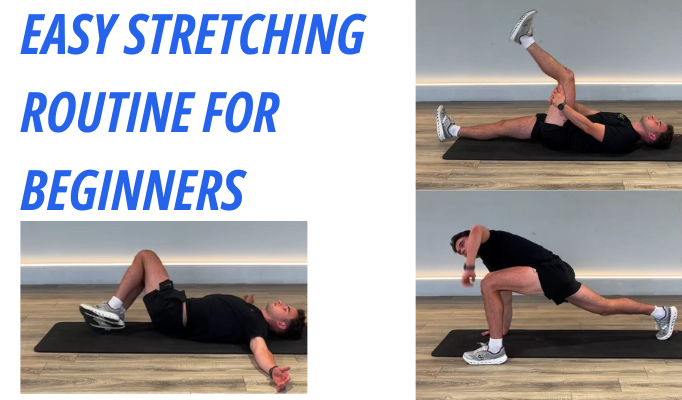
Let’s be honest, most of us don’t stretch nearly enough. We know we should. We tell ourselves we will. And then we skip it because it feels complicated, boring, or like something only yoga instructors actually do.
But here’s the thing: stretching doesn’t have to be a whole production. You don’t need a mat, a gym membership, or an hour of free time. A simple 10-minute routine done consistently will do more for your body than an elaborate one you abandon after three days.
This guide is for complete beginners, no flexibility required, no prior experience needed. Just a willingness to start.
Why Bother Stretching at All?
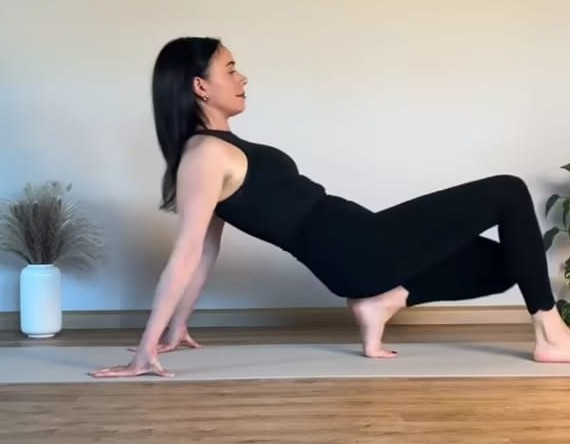
Before we get into the routine, it helps to actually understand what stretching does for you because “it’s good for you” isn’t exactly motivating.
Regular stretching improves how your body feels day-to-day. It reduces that stiffness you wake up with, eases the tension that builds up in your neck and shoulders after sitting at a desk, and helps you move more freely in general. Over time, it can also reduce your risk of injury, improve your posture, and even lower stress.
The gains are slow and quiet; you probably won’t notice them week to week. But after a month or two, you’ll realize your back doesn’t ache the way it used to, or that bending down to tie your shoes isn’t an event anymore.
A Few Things to Know Before You Start
Don’t stretch cold muscles. Jumping straight into deep stretches first thing in the morning, or right after sitting for hours, can actually cause more harm than good. Do a light warm-up first, even just walking around your house for five minutes or doing some gentle arm circles, to get the blood flowing.
You should feel a pull, not pain. There’s a difference between a stretch that’s working and one that’s hurting you. A mild, gentle tension is good. Sharp pain is not. If something hurts, ease off.
Hold each stretch. Bouncing in and out of a stretch (ballistic stretching) is outdated advice. Hold each position for 20–30 seconds. That’s about where the muscle actually starts to release.
Breathe. Sounds obvious, but a lot of people hold their breath while stretching. Try to exhale as you sink into the stretch; it genuinely helps.
The Routine: 8 Stretches, About 10 Minutes
Do these in order, once a day. Morning works well for most people, or right before bed if you want better sleep.
1. Neck Side Stretch
Targets: Neck, upper traps
Sit or stand tall. Drop your right ear toward your right shoulder. Don’t force it, just let gravity do the work. Hold for 20–30 seconds, then switch sides.
If you spend a lot of time on your phone or at a computer, this one will probably feel amazing the first time you do it.
2. Chest Opener
Targets: Chest, shoulders, upper back
Stand in a doorway. Place your forearms on either side of the frame at about shoulder height. Gently lean forward until you feel a stretch across your chest. Hold for 30 seconds.
Most people are surprisingly tight here from hunching over screens all day. This stretch counteracts that.
3. Seated Spinal Twist
Targets: Lower back, outer hips, spine
Sit on the floor with your legs out straight. Bend your right knee and cross your right foot over your left leg, planting it on the floor. Twist your torso to the right, using your left elbow against your right knee as a gentle lever. Hold 30 seconds, then switch.
Don’t rush this one. Let your spine rotate slowly.
4. Cat-Cow
Targets: Entire spine, core
Get on all fours, hands under shoulders, knees under hips. Inhale and let your belly drop toward the floor while you lift your head and tailbone (that’s “cow”). Exhale and round your back toward the ceiling, tucking your chin and pelvis (that’s “cat”). Move slowly between the two for about 60 seconds.
This one looks silly but feels incredible, especially if your lower back is tight.
5. Hip Flexor Stretch (Low Lunge)
Targets: Hip flexors, front of thighs
Step your right foot forward into a lunge. Drop your left knee to the floor. Shift your weight slightly forward until you feel a stretch in the front of your left hip. Keep your back upright. Hold 30 seconds, then switch.
If you sit for most of the day, your hip flexors are almost certainly tight. This is the stretch that’ll make the biggest difference.
6. Standing Quad Stretch
Targets: Front of thighs
Stand near a wall in case you need balance support. Bend your right knee and grab your right ankle, bringing your heel toward your backside. Keep your knees together and stand tall. Hold 30 seconds, then switch.
Don’t worry if you wobble. That gets better with time.
7. Seated Hamstring Stretch
Targets: Back of thighs, calves
Sit on the floor and extend both legs straight in front of you. Reach forward toward your toes — not straining, just reaching as far as feels comfortable. Hold for 30 seconds.
Most beginners are surprised by how tight their hamstrings are. You might only reach your shins at first. That’s completely fine.
8. Child’s Pose
Targets: Lower back, hips, shoulders
Kneel on the floor, then sit your hips back toward your heels. Extend your arms out in front of you on the floor and let your forehead rest on them. Breathe deeply and hold for 60 seconds.
This is a great way to end the routine. It’s restorative it signals to your body that you’re done and it’s time to relax.
How Long Until You Feel a Difference?
Most people notice some improvement in how they feel within two to three weeks of consistent daily stretching. Actual flexibility changes take longer, usually six to eight weeks, before you see meaningful progress.
The keyword there is consistent. Ten minutes every day beats an hour-long session once a week, hands down. Your muscles respond to frequency, not just intensity.
A Few Tips to Make It Stick
Attach it to something you already do. Stretch right after brushing your teeth in the morning, or while your coffee brews. Habit stacking makes new routines much easier to maintain.
Don’t aim for perfection. Some days you’ll only have five minutes. Do five minutes. Three stretches are better than zero.
Track it loosely. You don’t need an app, just a note on your phone or a checkmark on a paper calendar. Seeing a streak builds momentum.
Be patient with yourself. Flexibility isn’t something you either have or don’t. It’s a skill that develops slowly. The people who seem naturally flexible usually just started earlier.
Final Thought
Stretching is one of those things that feels like a small habit but quietly changes a lot about how you live in your body. Less stiffness, less pain, more ease of movement it adds up over time in ways that are hard to see coming.
You don’t need to be flexible to start. You just need to start.
Pick a time tomorrow morning, set a reminder, and run through these eight stretches. That’s it. The rest takes care of itself.

I am Liam Brooks, a fitness writer passionate about simple home workouts, beginner-friendly fitness tips, and healthy daily habits. My goal is to make fitness easier, more practical, and accessible for everyone.