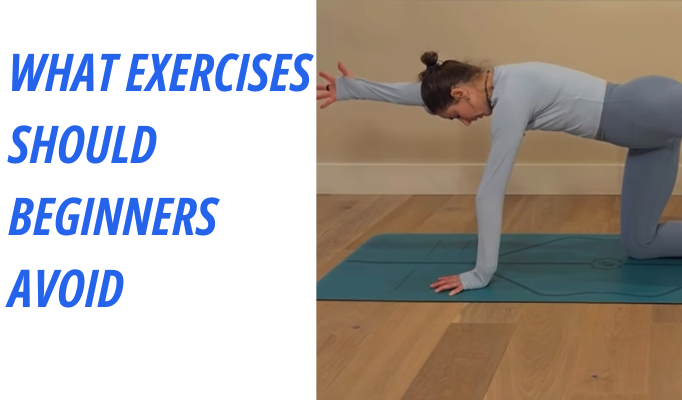
Starting a fitness journey is exciting. You’ve got the motivation, the new gym shoes, maybe even a playlist ready, and then you walk into the gym and have absolutely no idea where to start. That’s completely normal.
But here’s the thing nobody really warns you about: some exercises that look impressive or get thrown around in workout videos are actually not suitable for people who are just getting started. Jumping into the wrong movements before your body is ready can lead to injuries that set you back weeks or even months.
So before you start copying what the person next to you is doing, let’s talk about what beginners should actually avoid and why.
Behind-the-Neck Lat Pulldowns
This one looks harmless enough. You’re sitting at a machine, pulling a bar down, simple, right? The problem is the direction. Pulling the bar behind your neck puts your cervical spine in a vulnerable position and places extreme stress on the shoulder joints.
Most people don’t have the shoulder flexibility or neck stability to do this movement safely. Even experienced gym-goers get injured from this. Beginners should stick to standard lat pulldowns where the bar comes to the front of the chest. You still get the same back development without gambling with your spine.
Kipping Pull-Ups
If you’ve seen CrossFit videos, you’ve probably watched people swinging wildly on a bar and calling it a pull-up. That swinging motion is called kipping, and while it has a place in competitive fitness, it’s absolutely not a beginner exercise.
Kipping pull-ups require significant shoulder stability, core strength, and body awareness that beginners simply haven’t built yet. Doing them too soon is a fast track to a rotator cuff injury. If you can’t do a strict pull-up yet, work on lat pulldowns, assisted pull-ups, or dead hangs first.
Box Jumps
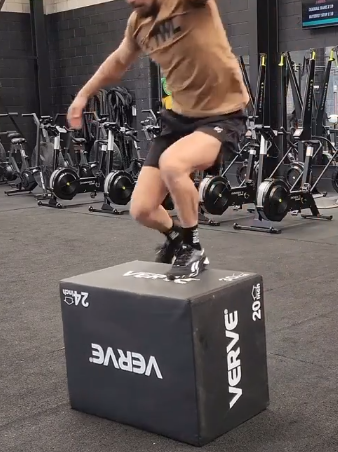
Here’s where ego can really get you hurt. Box jumps are a plyometric exercise that requires explosive power and, more importantly, proper landing mechanics. When your legs are fatigued and your form breaks down, a missed box jump can mean a nasty shin scrape at best or a serious ankle or knee injury at worst.
Beginners don’t yet have the leg strength or joint conditioning to absorb that kind of impact repeatedly. Start with step-ups, bodyweight squats, and regular jumping jacks to build the foundation before ever attempting a box jump.
Upright Rows with a Barbell
The upright row is deceptively risky. You’re pulling a bar from your waist up toward your chin, and in doing so, you’re internally rotating your shoulder while it’s under load, a combination that compresses the tendons in the shoulder (called shoulder impingement).
Many fitness professionals avoid recommending this exercise altogether. For beginners who likely already have tighter shoulders from desk work and poor posture, this movement is asking for trouble. If you want to work your shoulders and upper traps, lateral raises and face pulls are far safer options.
Heavy Deadlifts Without Proper Form
Deadlifts themselves aren’t bad; in fact, they’re one of the most functional movements you can do. The problem comes when beginners load up a bar with heavy weight before they’ve actually learned to hinge at the hips properly.
Rounding your lower back while pulling a heavy load is one of the most common causes of serious gym injuries. Before you ever touch heavy weight, spend time with just the bar or even a broomstick learning what a proper hip hinge feels like. Romanian deadlifts with light dumbbells are a great starting point.
Barbell Back Squats (Before You’re Ready)
Again, squats themselves are fantastic. But the barbell back squat is a technically demanding movement that requires ankle flexibility, hip mobility, and core stability, things that most beginners haven’t developed yet.
Loading a heavy bar on your shoulders when you don’t have the mobility to hit proper depth will force compensations that stress your knees and lower back. Learn the goblet squat first. It naturally teaches you to sit back, keep your chest up, and find depth. Once that feels solid, you can graduate to the barbell.
Sit-Ups (The Old-School Version)
This might surprise people because sit-ups feel like the most basic exercise in existence. But the traditional sit-up, where your feet are anchored and you curl all the way up, creates a lot of flexion force on the lumbar spine and can actually weaken the hip flexors in a way that contributes to back pain.
Beginners with tight hip flexors (again, most people with office jobs) are especially at risk. Crunches, dead bugs, and planks are far more effective at building core strength without the spinal stress.
Smith Machine Exercises for Everything
The Smith machine looks beginner-friendly because the bar moves on a fixed track and feels more controlled. But that fixed path is actually the problem; it forces your body to move in a straight line even when your natural movement pattern isn’t straight.
Doing squats or lunges on a Smith machine can push your knees into unnatural positions over time. Free weights, while they require more balance and coordination, let your body move the way it’s designed to move. If you need guidance, work with a trainer or start with machines designed for specific muscle groups rather than the Smith machine.
What You Should Do Instead
The best approach for beginners is to start with compound bodyweight movements, squats, lunges, push-ups, planks, and rows, and build strength progressively before adding load. Focus on learning how your body moves before worrying about how much weight you can lift. Most beginners make the mistake of chasing intensity when they should be chasing consistency and good technique. Those first few months are about building a foundation, not proving anything to anyone.
Frequently Asked Questions
How long should I focus on beginner-level exercises before progressing?
Most fitness experts recommend spending at least 8 to 12 weeks on foundational movements before adding significant load or complexity. However, this depends on your starting fitness level, how consistently you train, and whether you’re working with a coach. There’s no rush; building good movement patterns early saves you from years of injury-related setbacks later.
Can beginners lift heavy weights at all?
Yes, but with important caveats. Heavy is relative, and beginners can and should add load progressively, the key word being progressively. Start with a weight that allows you to complete all reps with perfect form. If your form breaks down, the weight is too heavy. There’s nothing wrong with training with lighter loads while your body adapts. Strength will come faster than most beginners expect.
Is it okay to do these exercises if someone shows me how?
Having someone demonstrate an exercise is helpful, but one demonstration isn’t enough to safely perform complex movements under load. If you want to learn exercises like the barbell deadlift or squat, invest in a few sessions with a certified personal trainer who can assess your mobility, give you cues specific to your body, and correct your form in real time.
What if I see other beginners doing these exercises at the gym?
Unfortunately, the gym floor is full of people doing things incorrectly, and that includes people who have been going for years. Just because something is common doesn’t mean it’s safe. Focus on your own program, learn from credible sources, and don’t compare your journey to someone else’s.
How do I know if an exercise is causing harm vs. just being uncomfortable?
Muscle soreness, especially 24 to 48 hours after a workout, is normal and expected, particularly when you’re new to training. Pain during an exercise, sharp or shooting sensations, joint pain, or pain that persists for days after a session are all warning signs. If something hurts while you’re doing it, stop. Discomfort from effort is fine; pain is your body telling you something is wrong.

I am Liam Brooks, a fitness writer passionate about simple home workouts, beginner-friendly fitness tips, and healthy daily habits. My goal is to make fitness easier, more practical, and accessible for everyone.