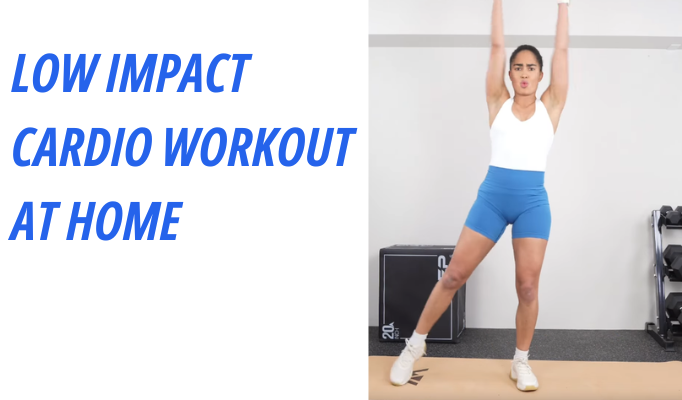
Let’s be honest, not everyone wants to be jumping around their living room at 6 AM. Your knees might protest. Your downstairs neighbor definitely will. And sometimes, your body just isn’t in the mood for high-intensity chaos.
That’s exactly where low-impact cardio comes in. And before you write it off as “easy” or “not a real workout,” give it a chance. Because done right, low impact cardio can burn serious calories, strengthen your heart, and leave you genuinely tired — without beating up your joints in the process.
Here’s everything you need to know to build a solid low impact cardio routine at home, no equipment required (though a little space helps).
What Even Is Low Impact Cardio?
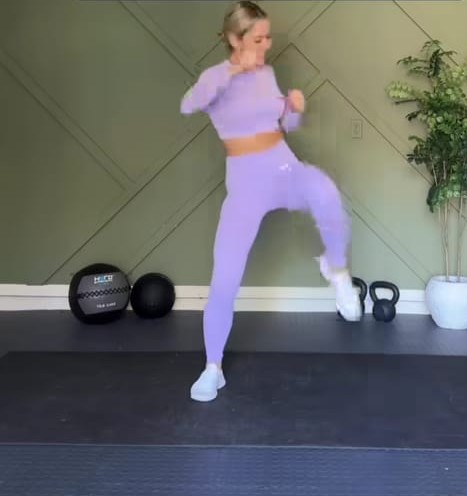
“Low impact” doesn’t mean low effort. It means at least one foot stays on the ground at all times, so no jumping, no pounding, no shock, and no hitting your ankles and knees with every move. Think of it as cardio with a softer footprint.
This makes it ideal for:
- People recovering from an injury
- Anyone dealing with knee, hip, or back issues
- Older adults who want to stay active without the risk
- Beginners just starting out
- Anyone who simply prefers a workout that doesn’t feel like punishment
The heart still works hard. You still sweat. You still get stronger. Your joints just stay a lot happier.
The Real Benefits (Not Just the Marketing Version)
It’s sustainable. High-intensity workouts are great, but most people burn out or get hurt within a few weeks. Low impact cardio is something you can actually stick to for months, years, or even decades.
It’s genuinely good for your heart. Steady, sustained movement keeps your heart rate elevated, which is exactly what cardiovascular training is supposed to do.
It supports fat loss. When you work at a moderate intensity for 30–45 minutes, your body pulls heavily from fat stores for fuel. It’s not a myth, it’s just slower and less dramatic than a HIIT circuit, which is fine.
It reduces stress without adding more. High-impact training is a physical stressor. Sometimes your body doesn’t need more stress; it needs movement that calms the nervous system while still getting you moving.
A 30-Minute Low Impact Cardio Workout You Can Do at Home
No treadmill, no jumping, no equipment. Just a bit of floor space and some intention.
Warm-Up 5 Minutes
Don’t skip this. Your body needs a few minutes to shift gears.
- March in place: lift those knees, swing your arms, breathe for 60 seconds
- Arm circles (forward then backward) 30 seconds each direction
- Hip circles: hands on hips, slow and deliberate, 30 seconds each direction
- Side steps with a gentle reach overhead for 60 seconds
- Neck rolls and shoulder shrugs: 30 seconds, nice and easy
Main Workout 20 Minutes
Go through this circuit twice. Take 30–45 seconds rest between moves, a full minute between rounds.
1. Step Touch (2 minutes) Step to the right, bring your left foot to meet it. Step to the left, bring your right foot to meet it. Add arm swings to get your upper body involved. It’s simple, but keep the pace steady, and it adds up.
2. Standing Bicycle Crunches (90 seconds) Hands behind your head, lift one knee and twist your opposite elbow toward it slow and controlled. No rushing. You’ll feel this in your core and obliques.
3. Low Impact Jumping Jacks (2 minutes) Instead of jumping, step one foot out while raising your arms, then bring it back in. Alternate sides. Same rhythm as a regular jumping jack, minus the impact.
4. Side Leg Raises (90 seconds each side). Stand near a wall if you need balance support. Lift one leg out to the side, foot flexed, slow and controlled. Lower it without touching the floor. This hits your glutes and outer thighs.
5. Walking Lunges (2 minutes) Step forward into a lunge, bring the back foot forward to standing, step the other leg forward. Keep the movement smooth. No bouncing at the bottom of the lunge.
6. Standing Oblique Crunches (90 seconds each side) Feet shoulder-width apart, hands behind your head. Crunch your right elbow toward your right knee, squeezing the side of your torso. Alternate sides or do one side at a time.
7. Heel-to-Toe Walk (2 minutes) Walk forward, placing your heel down first, then rolling to your toes. It sounds basic, but it actively engages your calves and tibialis and improves balance. Walk back and forth across the room.
8. Standing Hip Hinge (90 seconds) Feet hip-width apart, soft bend in the knees. Hinge forward at the hips (not the waist), keeping your back flat, until you feel a gentle stretch in your hamstrings. Come back up. Add a slight squeeze at the top. This is low-key one of the best moves in here.
Cool-Down 5 Minutes
This part matters more than people think. Your heart rate needs to come down gradually.
- Slow march in place: 60 seconds, progressively slower
- Standing quad stretch: hold each side for 30 seconds
- Standing hamstring stretch: hinge forward, reach for your toes, hold 30 seconds
- Chest opener: hands clasped behind your back, gentle squeeze, hold 30 seconds
- Seated spinal twist: sit on the floor, one leg extended, cross the other over, twist gently — 30 seconds each side
- Child’s pose: 60 seconds, just breathe
How Often Should You Do This?
Three to five times a week is a solid target. On days you feel good, do two rounds of the circuit instead of one. On rough days, just do the warm-up and cool-down movement.
What matters more than frequency is consistency. Three times a week, every week, beats six times a week for one week and then nothing.
A Few Things That Make a Difference
Footwear. Even at home, wearing supportive shoes during your workout can protect your ankles and arches, especially during lunges and step work. Not a dealbreaker, but worth noting.
Surface. Hard floors are fine for most of these. If you’re on tile or hardwood and it feels slippery, a yoga mat helps both for grip and a little extra cushioning.
Music. This might sound trivial, but a playlist with a 110–130 BPM tempo naturally keeps your movement pace up without you having to think about it. Your brain follows the beat whether you want it to or not.
Hydration. Drink water before, during, and after. Low impact doesn’t mean you won’t sweat.
Who Should Start with This?
Honestly? Almost anyone. But especially:
- If you’ve been inactive for a while and want to ease back in
- If you’re postpartum and getting back to movement
- If you have arthritis, bad knees, or a previous ankle/hip injury
- If you’re over 50 and want exercise that supports longevity, not just aesthetics
- If you just hate jumping around and want something you’ll actually do
There’s no shame in low impact. It’s not a stepping stone to “real” workouts. For a lot of people, it is the workout, and that’s completely valid.
Final Thought
The best workout is the one you’ll actually do tomorrow, and the day after that. Low impact cardio at home removes most of the barriers: no gym membership, no special gear, no joints screaming at you afterward.
Give this routine two weeks before you judge it. Chances are, you’ll feel the difference before you see it: better sleep, less stiffness in the morning, more energy through the day. That’s what consistent, sustainable movement does.
Start slow. Stay consistent. The results follow.

I am Liam Brooks, a fitness writer passionate about simple home workouts, beginner-friendly fitness tips, and healthy daily habits. My goal is to make fitness easier, more practical, and accessible for everyone.