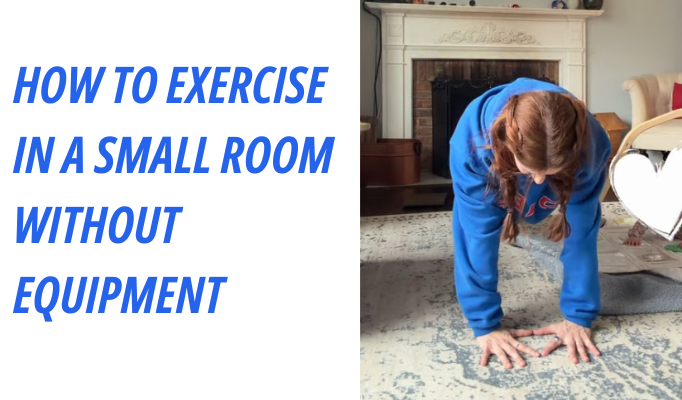
Let’s be honest, not everyone has the luxury of a gym membership, a garage to convert, or even a living room big enough to stretch out in. Some of us are working with a bedroom that barely fits a bed and a desk. And that’s fine. You don’t need a lot of space or any equipment to stay in shape. You just need to be a little creative and actually show up.
Here’s everything you need to know about making a small room work for your workouts.
First, Stop Making Space an Excuse
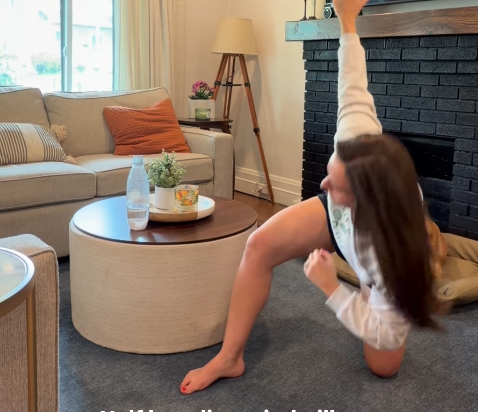
This might sound blunt, but the “I don’t have enough room” excuse is one of the most common reasons people put off exercising, and it’s mostly in your head. A 6×6 foot clearing (roughly the size of a yoga mat) is genuinely enough to do a full-body workout. Move your chair, push the laundry pile aside, and you’re good to go.
The point is: the space you need is probably already there. You just have to claim it.
How to Set Up Your Tiny Workout Space
Before you start sweating, spend two minutes on setup:
- Clear the floor. Even just a small rectangle is enough to lie down flat and extend your arms overhead.
- Open a window if you can. Fresh air makes a real difference when you’re jumping around in a confined space.
- Put your phone on Do Not Disturb. A 20-minute workout interrupted five times is basically useless.
- Keep a water bottle nearby. Sounds obvious, but you’d be surprised how many people wander off mid-workout to find one.
That’s it. No fancy setup required.
Workouts That Actually Work in a Small Space
Bodyweight Strength Training
This is the backbone of any no-equipment routine. Movements like push-ups, squats, lunges, and planks require almost no floor space and build real, functional strength.
A simple beginner circuit:
- 10 push-ups
- 15 squats
- 10 reverse lunges (each leg)
- 30-second plank
- Rest 60 seconds, repeat 3 times
As you get stronger, increase the reps or add pauses at the bottom of each movement to make things harder.
Low-Impact Cardio
If you live in an apartment or have downstairs neighbors, jumping jacks at 6 a.m. probably won’t win you any friends. The good news is there are plenty of ways to get your heart rate up without the thud.
Try these low-impact options:
- March in place: lift your knees higher to increase intensity
- Step touches: side to side, pick up the pace
- Standing bicycle crunches: slower, more controlled, still burns
- Shadow boxing: throw punches into the air; sounds silly, works great
Even 10-15 minutes of this done consistently does more than a gym session you never actually go to.
Yoga and Flexibility Work
A small room is honestly ideal for yoga; you’re not going anywhere anyway. A consistent yoga practice builds flexibility, core strength, and balance, and it’s genuinely underrated as a fitness tool.
Start with basic poses: downward dog, child’s pose, warrior one and two, bridge pose. YouTube has thousands of free guided sessions. Find an instructor whose style you like and follow along.
Core Work
Your core abs, obliques, and lower back respond really well to floor-based work that takes up almost zero space.
Solid core exercises for small spaces:
- Dead bugs
- Bird dogs
- The Hollow body holds
- Leg raises
- Russian twists
None of these require you to move around the room. You can do an entire 15-minute core session in one spot.
A Sample Weekly Schedule
Consistency beats intensity every single time. Here’s a simple structure you can follow without burning out:
| Day | Focus |
|---|---|
| Monday | Full-body strength (bodyweight circuit) |
| Tuesday | Low-impact cardio (20 min) |
| Wednesday | Rest or light stretching |
| Thursday | Core and flexibility |
| Friday | Full-body strength |
| Saturday | Longer yoga session (30–40 min) |
| Sunday | Rest |
This takes maybe 20–30 minutes most days. It’s sustainable, and sustainable is the whole point.
Tips to Stay Consistent When You’re Working in a Small Space
Work out at the same time every day. It becomes automatic. Morning works well for a lot of people because there’s less chance that something will come up and knock it off your schedule.
Put your workout clothes out the night before. It sounds like a minor thing, but it lowers the friction of starting. You see them, you put them on, you exercise. Simple chain.
Track what you do. Not obsessively, just jot down what workout you did and how it felt. Over a few weeks, you’ll start to see progress, and that keeps you going.
Don’t aim for perfect. Some days you’ll only have 10 minutes. Do 10 minutes. A short workout done is better than a perfect workout skipped.
What You Can Add Later (Without Much Space)
Once you’re consistent, a few inexpensive additions can open things up without cluttering your room:
- Resistance bands cost almost nothing, store in a drawer, and add a serious challenge to bodyweight moves
- A jump rope, if noise isn’t an issue, is one of the most efficient cardio tools out there
- A yoga mat gives you a defined workout zone and is easier on your joints than a bare floor
None of these is necessary to start. But they’re nice to have once you’ve built the habit.
The Bottom Line
A small room isn’t a limitation. It’s just a room. Plenty of people have built strong, fit bodies with nothing more than the floor beneath them and the will to use it.
Start small. Be consistent. Don’t wait until you have more space, more equipment, or more time because that day has a funny way of never arriving. Use what you have, right now, where you are.

I am Liam Brooks, a fitness writer passionate about simple home workouts, beginner-friendly fitness tips, and healthy daily habits. My goal is to make fitness easier, more practical, and accessible for everyone.