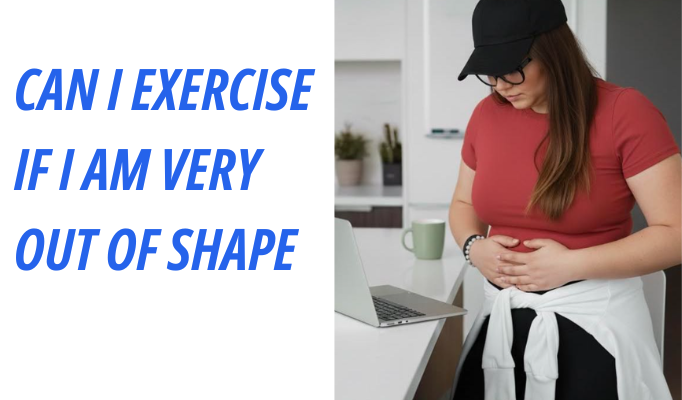
Let me be honest with you, this question used to keep me up at night. Not because it’s complicated, but because asking it takes courage. If you’re sitting there wondering whether your body is “too far gone” to start moving, I want you to know: it’s not. Not even close.
The short answer is yes. You can absolutely exercise even if you’re very out of shape. But let’s go deeper than that, because a one-word answer isn’t going to help you lace up your shoes tomorrow morning.
First, Let’s Talk About What “Out of Shape” Actually Means
People use this phrase to mean a hundred different things. Maybe you haven’t exercised in five years. Maybe you get winded walking up a flight of stairs. Maybe you’ve gained weight, and your joints ache a little. Maybe all three.
None of that means your body has given up on you. It means your body has adapted to the life you’ve been living, and here’s the beautiful part: it will adapt again to whatever new habits you give it. That’s not motivational fluff. That’s basic human physiology.
Why Starting Feels So Hard (And Why That’s Normal)
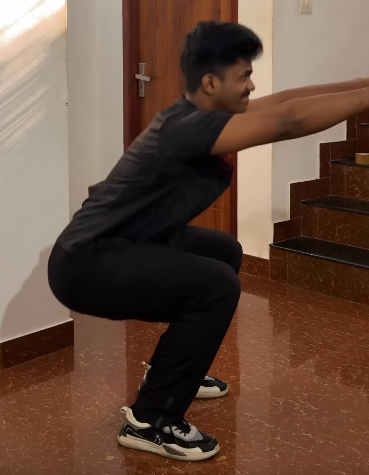
If your first attempt at exercise leaves you gasping for air after ten minutes, it’s easy to think something is wrong with you. Nothing is wrong with you. What you’re feeling is called cardiovascular deconditioning, and it happens to everyone who takes a long break from movement.
Your heart and lungs are simply out of practice at delivering oxygen efficiently. The muscles you haven’t used in a while have lost some of their endurance. But here’s the thing: these systems respond to training faster than almost anything else in the body. Within a few weeks of consistent, gentle movement, most people notice a real difference in how they feel.
The hard part isn’t your fitness level. The hard part is showing up consistently in those early weeks before you can feel the results.
Where Should You Start?
This is where most fitness advice goes wrong. People assume that if you’re out of shape, you need some dramatic transformation plan, a 6 a.m. boot camp, a strict diet, a complete lifestyle overhaul starting Monday.
You don’t.
Start embarrassingly small. Seriously. If you haven’t moved in months or years, a 10 to 15-minute walk is a legitimate workout. Not a warm-up. Not a compromise. An actual starting point.
Here’s a simple approach that works:
- Week 1–2: Walk for 10–15 minutes, three times a week. That’s it. Don’t try to make it harder.
- Week 3–4: Stretch it to 20 minutes. Add some light bodyweight movement at home: wall push-ups, sit-to-stands from a chair, gentle stretching.
- Month 2 onward: Let your body guide the pace. Most people naturally want to do more once they’ve built the habit.
The goal in the beginning isn’t fitness. It’s consistency. You’re teaching your body and your brain that movement is part of your life now.
What Types of Exercise Are Best When You’re Just Starting Out?
Low impact is your best friend early on. This means activities that get your heart rate up without hammering your joints.
Walking is honestly underrated. It’s free, it requires no equipment, and it works. Don’t let anyone tell you it doesn’t count.
Swimming or water aerobics takes weight off your joints while still giving you a solid workout. If you have access to a pool, this is worth trying.
Cycling, whether outdoor or stationary, is gentle on the knees and easy to control in terms of intensity.
Chair exercises and gentle yoga are great options if mobility or balance are concerns. There are entire YouTube channels dedicated to these, and they’re more effective than they look.
What you want to avoid, at least initially, is jumping into high-intensity activities like running, heavy lifting, or intense group fitness classes. Not because you’re not capable eventually — but because doing too much too soon leads to soreness, injury, and the very real likelihood that you’ll quit before you ever get started.
Do You Need to See a Doctor First?
If you have existing health conditions, such as heart disease, diabetes, severe joint problems, or recent surgery, yes, please check with your doctor before starting any exercise program. That’s just common sense.
If you’re generally healthy but just inactive, most people don’t need a medical clearance to go for a walk. Use your judgment. If something hurts beyond normal muscle fatigue, pay attention to that.
The Mental Side Nobody Talks About Enough
Here’s something fitness content rarely admits: getting back into exercise when you’re very out of shape is as much a mental challenge as a physical one.
There might be embarrassment at the gym, around other people, even just in front of yourself. There might be frustration when your body can’t do what it used to. There might be shame tied up in how you got here in the first place.
All of that is real, and all of it is worth acknowledging. But don’t let it be the reason you don’t start.
Are the gym regulars you’re worried about judging you? Most of them started somewhere humbling, too. And honestly, most people are far too focused on their own workout to notice yours.
Progress Will Be Slow, And That’s Okay
One of the biggest traps is expecting too much too soon. The first few weeks might feel like you’re barely making a dent. You might still feel winded easily. The scale might not move. Your clothes might still fit the same.
Keep going anyway.
Fitness improvements happen on a delay. Your cardiovascular system is getting more efficient before you feel it. Your muscles are developing before you see them. The habit is forming before it feels automatic.
Around the four-to six-week mark, something usually shifts. The walk that used to leave you tired feels easier. You recover faster. You sleep a little better. You start to feel like someone who exercises, and that identity shift is powerful.
One Last Thing
Being very out of shape doesn’t mean you’ve failed. Life happens: stress, illness, loss, long work hours, grief, injury. Bodies change. Circumstances change. There’s no shame in being where you are.
What matters is that you’re asking this question. That means part of you is ready to move again.
So yes, you can exercise. Start today, start small, and give yourself the grace to be a beginner. Your body has been waiting for this.

I am Liam Brooks, a fitness writer passionate about simple home workouts, beginner-friendly fitness tips, and healthy daily habits. My goal is to make fitness easier, more practical, and accessible for everyone.