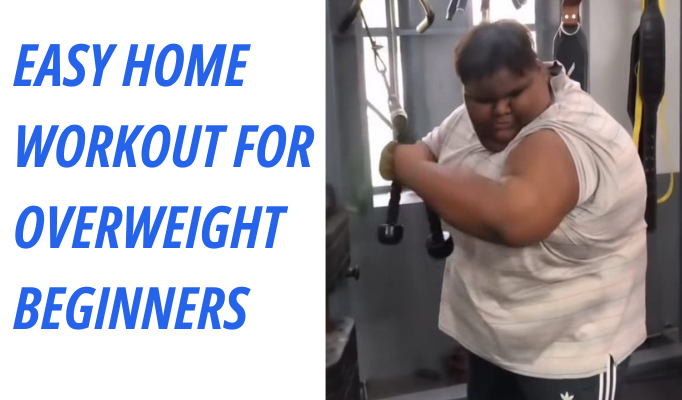
Easy Home Workout for Overweight Beginners: Where to Actually Start (Without Burning Out)
Let’s be real for a second, starting a workout routine when you’re carrying extra weight is hard. Not just physically, but mentally. You search online and find videos of people doing burpees and jumping squats, and it feels like they’re speaking a completely different language. You close the tab. You tell yourself you’ll start “next Monday.”
Sound familiar?
Here’s the thing nobody says out loud: you don’t need to punish your body to get healthier. You just need to move a little more than yesterday. And you can do all of it from home, in your living room, in whatever you’re wearing right now.
This guide is written for real beginners. People who might be out of breath climbing stairs. People who haven’t exercised in years, or maybe ever. There’s no judgment here, just a practical starting point.
Before You Do Anything: Set Your Head Straight
One of the biggest mistakes beginners make is going too hard too fast. You feel motivated on day one, do an intense 45-minute session, can’t walk the next day, and quit. That cycle is exhausting and demoralizing.
Instead, think small. Embarrassingly small, even. A 10-minute walk counts. Five minutes of gentle movement counts. The goal in week one isn’t transformation, it’s consistency. You’re building a habit, not training for a marathon.
Also: talk to your doctor if you have any existing conditions like high blood pressure, joint problems, or heart issues. This isn’t just fine print, it’s actually important when you’re just getting started.
What You’ll Need (Spoiler: Almost Nothing)
- A mat or a soft carpet
- Comfortable, supportive shoes
- Water nearby
- Enough space to stretch your arms out
That’s it. No gym membership. No equipment. No excuses, either.
The Workout: Start Here
These exercises are low-impact, beginner-friendly, and easy on your joints. Do this routine 3 times a week with rest days in between.
Warm-Up 5 Minutes
Don’t skip this. Walk in place for 2–3 minutes, roll your shoulders, do some gentle side-to-side neck stretches, and shake out your arms. Your body needs time to shift gears.
1. Wall Push-Ups 2 Sets of 8–10 Reps
Stand about arm’s length from a wall. Place your palms flat on it, shoulder-width apart. Bend your elbows and lean toward the wall, then push back. This builds upper body strength without putting pressure on your wrists or knees, the way floor push-ups do.
If this feels too easy, step slightly further from the wall. If it feels hard, that’s completely fine you’re doing it right.
2. Seated Leg Raises 2 Sets of 10 Reps per Leg
Sit on the edge of a sturdy chair with your back straight. Slowly extend one leg out until it’s parallel to the floor, hold for a second, then lower it. Alternate legs.
This works your core and thighs without any floor work. It’s surprisingly effective, and you can do it while watching TV if that helps.
3. Standing Marching 2 Minutes
Stand tall and march in place, lifting your knees as high as comfortable. Pump your arms gently. This gets your heart rate up without the impact of jogging. If your balance is off, hold onto the back of a chair.
4. Chair Squats 2 Sets of 8 Reps
Stand in front of a chair, feet about hip-width apart. Slowly lower yourself as if you’re about to sit down, but stop just before you touch the seat, then stand back up. Use the chair as a safety net — if you need to sit fully, that’s okay too.
Squats are one of the most functional movements you can do. They help with getting up from chairs, climbing stairs, and everyday life.
5. Supported Standing Calf Raises 2 Sets of 12 Reps
Hold onto the back of a chair or a countertop for balance. Rise up on your toes, hold for a second, then lower back down. Your calves work hard when you carry extra weight, and this strengthens them while improving circulation in your lower legs.
6. Gentle Stretching 5 Minutes
End with a hamstring stretch (sit on the floor or in a chair and reach toward your toes), a hip flexor stretch, and some light neck and shoulder rolls. Stretching after exercise is when your muscles are warm and more flexible. Skipping it often leads to soreness.
Progression: How to Know When to Do More
Don’t increase intensity just because you feel fine during the workout. Give it two to three weeks at the same level before adding more. Signs you’re ready to progress:
- The exercises feel noticeably easier than when you started
- You’re not sore the day after
- Your breathing recovers faster
When you’re ready, add a few more reps, hold the positions slightly longer, or add a fourth workout day. Slow and steady isn’t just a saying; it’s actually how the body adapts safely.
A Few Things That Actually Help
Move on rest days too. Rest days don’t mean lying completely still. A 15-minute walk is perfect. It keeps your metabolism active and helps with soreness.
Drink more water than you think you need. Exercise increases your fluid requirements, and most people are mildly dehydrated already. Keep a bottle next to you during workouts.
Don’t weigh yourself every day. Your weight fluctuates constantly based on water, food, hormones, and sleep. Daily weigh-ins mess with your head. Once a week at most, same time of day.
Celebrate small wins. Did you do the workout even when you didn’t feel like it? That’s a win. Did you make it through without stopping? Win. Progress isn’t always visible in the mirror; sometimes it shows up as breathing easier on the stairs.
The Honest Truth About Progress
You’re not going to see dramatic results in two weeks. Anyone who tells you otherwise is selling something. What you will notice — if you stick with it — is that things feel slightly less hard. You’ll have a bit more energy. The exercises that felt impossible start to feel manageable.
That shift is real, and it happens faster than most people expect. But only if you actually show up consistently, even when the motivation isn’t there.
The best workout isn’t the hardest one or the most complicated one. It’s the one you actually do.

I am Liam Brooks, a fitness writer passionate about simple home workouts, beginner-friendly fitness tips, and healthy daily habits. My goal is to make fitness easier, more practical, and accessible for everyone.