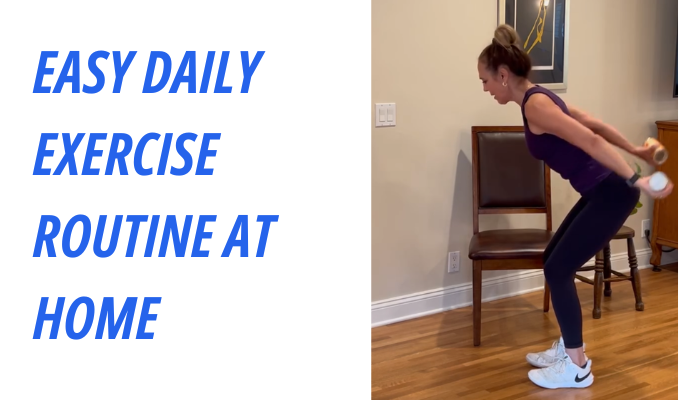
Most days, the hardest part of exercising isn’t the workout itself, it’s just getting started. Most of us have said “I’ll start working out tomorrow” at least a dozen times. Life gets busy, gym memberships feel like a commitment, and by the time evening rolls around, the couch usually wins. But here’s the thing: you don’t need a gym, fancy equipment, or even an hour of free time to stay active. A simple routine done right at home can do more for your health than you’d expect.
This isn’t about transforming into an athlete overnight. It’s about building something you’ll actually stick to.
Why Home Workouts Actually Work
There’s a reason more people are ditching the gym. Home workouts remove every excuse: no commute, no waiting for machines, no awkward eye contact with strangers. You can exercise in your pajamas at 7 am or squeeze in a session during your lunch break. The barrier is low, and that’s exactly the point.
When something is easy to start, you’re more likely to keep doing it.
The Routine: 30 Minutes, Every Day
This routine is broken into three simple parts: a warm-up, a main workout, and a cool-down. You don’t need any equipment. A small space, like a bedroom or living room, is more than enough.
Warm-Up (5 Minutes)
Never skip this. Cold muscles are injury-prone, and a few minutes of movement gets your blood flowing and your joints loosened up.
- Neck rolls: slow circles, left and right, 30 seconds
- Shoulder shrugs and arm circles: 1 minute
- Hip rotations: hands on hips, rotate in big circles, 30 seconds each side
- Marching in place: lift your knees high, pump your arms, 2 minutes
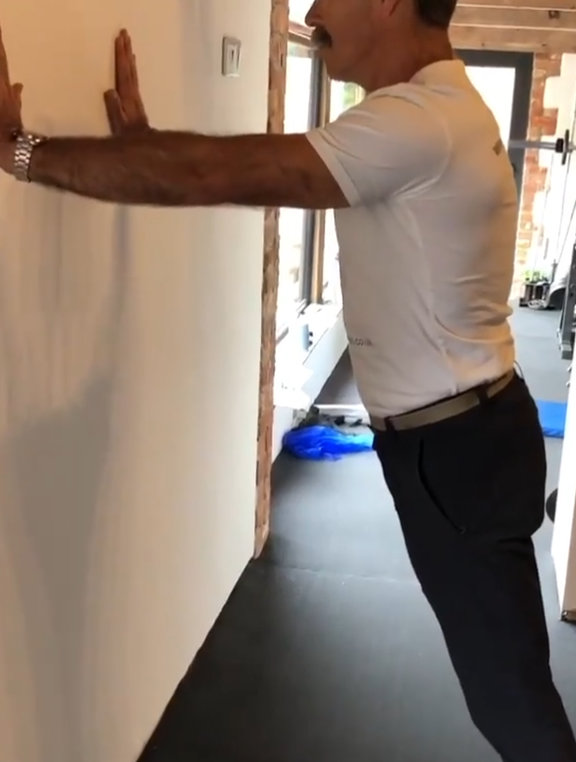
- Leg swings: hold a wall for balance, swing each leg forward and back, 30 seconds per leg
By the end of this, you should feel slightly warmer. That’s the goal.
Main Workout (20 Minutes)
Do each exercise for the time listed, rest for 15–20 seconds between them, and repeat the full circuit twice if you’re feeling up to it.
1. Squats 45 seconds. Stand with feet shoulder-width apart, lower down like you’re sitting into a chair, then come back up. Keep your chest up and your knees behind your toes. This works your thighs, glutes, and core all at once.
2. Push-Ups 30 seconds. The classic. Hands slightly wider than your shoulders, lower your chest toward the floor, then push back up. If full push-ups feel too hard right now, drop to your knees, no shame in it. You’ll build up.
3. Plank 30 seconds. Get into a push-up position, but rest on your forearms. Your body should form a straight line from head to heels. Squeeze your stomach and hold. It burns, but it’s worth it.
4. Glute Bridges 45 seconds Lie on your back, knees bent, feet flat on the floor. Drive your hips up toward the ceiling and squeeze your glutes at the top. Lower back down slowly. This one is great for your lower back, too.
5. Mountain Climbers 30 seconds Start in a high plank position, then alternate bringing each knee toward your chest as fast as you comfortably can. Think of it as running in place, horizontally. This gets your heart rate up quickly.
6. Lunges 45 seconds Step one foot forward, lower your back knee toward the ground, then push back to standing. Alternate legs. If balance is tricky, slow it down or hold a wall.
7. Jumping Jacks 60 seconds Old-school but effective. They warm up your whole body, get your heart pumping, and frankly, they’re kind of fun.
Rest for 60 seconds, then repeat the circuit if you want a bigger challenge.
Cool-Down (5 Minutes)
This is the part most people skip, and it’s why they wake up stiff the next morning. Take the last five minutes to stretch and breathe.
- Standing quad stretch, pull one foot behind you toward your glute, hold 30 seconds on each side
- Seated hamstring stretch: sit on the floor, extend one leg, reach toward your toes, hold 30 seconds on each side
- Child’s pose: kneel, sit back on your heels, stretch your arms forward on the ground, hold for 1 minute
- Cat-cow stretch on all fours, arch and round your back slowly, 1 minute
- Deep breathing, lie flat, close your eyes, take five slow, deep breaths
You should feel calmer after this, not just physically but mentally too. That’s the effect of bringing your nervous system back down.
A Few Things Worth Knowing
You don’t have to do this all at once. If 30 minutes feels like too much right now, split it up. Ten minutes in the morning, ten at lunch, ten in the evening. The benefits are real either way.
Consistency beats intensity. Doing this routine four to five times a week at a moderate effort will serve you better in the long run than going all-out twice a week and burning out.
Some days will feel harder than others. That’s normal. On the low-energy days, just do the warm-up and cool-down. Movement is movement.
Drink water. Before, during, and after. Even a mild workout can leave you dehydrated if you’re not paying attention.
Building the Habit
The first two weeks are the hardest. After that, your body starts to expect the movement, and on the days you skip it, you’ll actually notice. That shift in how you feel is the sign that the habit has taken hold.
A few things that help in the beginning:
- Set a specific time each day (morning works well for most people)
- Keep your workout clothes visible the night before
- Don’t aim for perfect, aim for consistent
- Track it simply, even just a checkmark on a calendar
Final Thought
You don’t need to overhaul your entire life to get healthier. This routine takes less time than most Netflix episodes. It costs nothing. And it works if you show up for it.
Start with one week. See how you feel. That’s all it takes to get the ball rolling.

I am Liam Brooks, a fitness writer passionate about simple home workouts, beginner-friendly fitness tips, and healthy daily habits. My goal is to make fitness easier, more practical, and accessible for everyone.