Let me be honest with you for a second: the first time I tried to “get fit,” I lasted four days. I bought new shoes, downloaded a running app, and went all in. By day five, my knees ached, I was exhausted, and I quietly convinced myself I just wasn’t “a gym person.”
Sound familiar?
If you’re reading this, you’re probably somewhere at the beginning. Maybe you get winded climbing stairs. Maybe you haven’t broken a sweat on purpose in years. Maybe the idea of walking into a gym feels like showing up to a concert where everyone else knows the words to every song.
That’s okay. Here’s what actually helps.
First, Forget Everything You Think “Working Out” Looks Like
The biggest mistake people make when starting from scratch is copying what fit people do. You see someone doing an hour of HIIT five times a week and think that’s the baseline. It isn’t. That person didn’t start there either.
When you’re genuinely unfit, not “slightly out of shape,” but really deconditioned, your starting point looks embarrassingly simple to everyone except you. And that’s exactly where it should be.
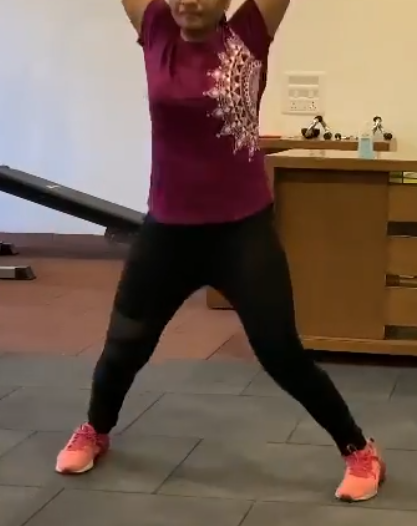
A 15-minute walk is a workout. Ten bodyweight squats done slowly is a workout. Stretching every morning until you stop feeling like a rusted hinge that counts too. Stop waiting until you can “do it properly.” There is no proper. There’s just moving more than yesterday.
Your Body Needs Time to Catch Up. Give It That
Here’s something nobody tells you: when you start exercising after a long break (or for the first time), your cardiovascular system, your muscles, your tendons, and ligaments all adapt at different speeds. Your heart and lungs improve relatively quickly. Your joints and connective tissue? Slower. Much slower.
This is why jumping straight into daily intense workouts gets so many beginners injured. They feel fine for two weeks, then something pulls or aches, and it becomes an excuse to stop entirely.
The fix is boring, but it works: start slower than you think you need to, and stay there longer than you think you should.
Week one? Walk every day. Week two? Add a few bodyweight movements. Week three? Maybe pick up the pace slightly. You’re not training for a marathon in month one. You’re training your body to tolerate training. That’s the actual goal at this stage.
Pick Something You Don’t Completely Hate
Fitness advice usually pushes one “best” method: lift weights, run, do yoga, or try CrossFit. But the best workout is the one you’ll actually show up to. Full stop.
If running makes you miserable, don’t run. If gyms feel intimidating, don’t go to a gym. If group classes give you anxiety, skip them. At least for now.
Some genuinely accessible options for total beginners:
Walking is underrated, zero skill required, and research consistently shows it has real cardiovascular and mental health benefits. A 30-minute walk at a pace where you can still hold a conversation but feel slightly warm is legitimate exercise.
Home bodyweight workouts: Push-ups (even on your knees), squats, lunges, and planks require nothing except floor space. YouTube has hundreds of beginner routines that won’t destroy you.
Swimming: Brilliant for people with joint pain or extra weight because the water supports you. If you haven’t swum in a while, even 20 minutes of easy laps is more than enough.
Cycling: Whether outdoors or on a stationary bike, it’s low-impact and easy to control the intensity.
The goal in the first month isn’t to find the optimal exercise. It’s to build the habit of exercising. Those are two very different things, and confusing them is what kills most people’s progress early on.
Handle the Mental Side Because It’s Real
Being unfit isn’t just physical. There’s a whole emotional layer to it that rarely gets talked about.
Gym floors can feel like everyone is watching. Workout gear that doesn’t fit well is uncomfortable and embarrassing. Running in public when you’re slow and breathless feels exposing. These feelings are valid, and pretending they don’t exist doesn’t make them go away.
A few things that genuinely help:
Go at off-peak times. Most gyms are quite early in the morning, around midday on weekdays, or later in the evening. You’ll feel far less self-conscious with fewer people around.
Start at home. There is no rule that says you have to exercise around other people. A few months of home workouts can build enough baseline fitness and confidence that going to a gym feels less like a big deal later.
Tell one person. Not to be held accountable in a pressuring way, but because saying it out loud to someone makes it more real than keeping it in your head.
Accept that the beginning looks rough. You will be slow. You will get breathless doing things that look easy. This is not failure; it’s the literal definition of being a beginner. Everyone who is fit now was exactly where they are at some point.
Build Up Slowly Then Keep Going
A realistic rough timeline for someone starting from zero:
Weeks 1–2: Daily movement, light intensity. Walking, gentle stretching, maybe a short beginner YouTube workout once or twice. The goal is simply to show up consistently.
Weeks 3–4: Add a bit of structure. Three to four sessions per week, 20 to 30 minutes each. Mix cardio (walking, cycling) with some bodyweight strength work.
Month 2: Start increasing duration or intensity slightly. You should be noticing small improvements, slightly less breathless, slightly easier to move.
Month 3 and beyond: Now you can start thinking about goals. By this point, you’ll have a much clearer picture of what you enjoy, what your body responds to, and what you actually want to do with your fitness.
The key to all of this is not skipping ahead. Resist the urge. The people who go too hard too fast are the ones who end up injured, burned out, or both, and then stop entirely. Slow and consistent wins this one every time.
Nutrition: Don’t Overhaul Everything at Once
You’ll hear a lot about how “abs are made in the kitchen” and how diet is 80% of results. That might be true long-term, but trying to completely overhaul your diet at the same time as starting an exercise routine is a recipe for overwhelming yourself.
In the beginning, focus on one thing: eat slightly less ultra-processed food and drink more water. That’s it. As exercise becomes a habit, you’ll naturally start paying more attention to what fuels your body. Don’t try to do everything at once.
A Few Common Mistakes to Avoid
Going too hard in week one. You will be sore in places you didn’t know existed. Ease in.
Waiting until you “feel motivated.” Motivation is not a reliable alarm clock. Just start the feeling, which usually follows the action, not the other way around.
Comparing yourself to people who’ve been doing this for years. Social media fitness content is the highlight reel of people at peak fitness. It tells you nothing about where they started.
Stopping when life gets busy. You don’t need to maintain a perfect routine. Doing something small, even a ten-minute walk, is infinitely better than doing nothing because you can’t do everything.
Expecting fast results. Real, lasting fitness takes months to build. That’s not discouraging, it’s just how bodies work. Trust the process even when you can’t see it yet.
The Honest Truth
Getting fit when you’re starting from nothing is uncomfortable. It’s humbling. There will be sessions that feel pointless and days when you feel like you’re getting nowhere. That’s normal, and it doesn’t mean it’s not working.
What changes everything is deciding that you’re not doing this to look a certain way by a certain date. You’re doing it because moving your body regularly is one of the most effective things you can do for your health, your sleep, your mood, and how you feel in your own skin.
Start small. Show up. Be patient with yourself.

I am Liam Brooks, a fitness writer passionate about simple home workouts, beginner-friendly fitness tips, and healthy daily habits. My goal is to make fitness easier, more practical, and accessible for everyone.